I was at a family gathering not too long ago — one of those Sunday lunches where the adults hover over the pancit and the kids run around with sticky hands, and everyone asks the same polite questions: “How’s work?” “Kailan ka mag-aasawa?” “Kamusta ang traffic?”
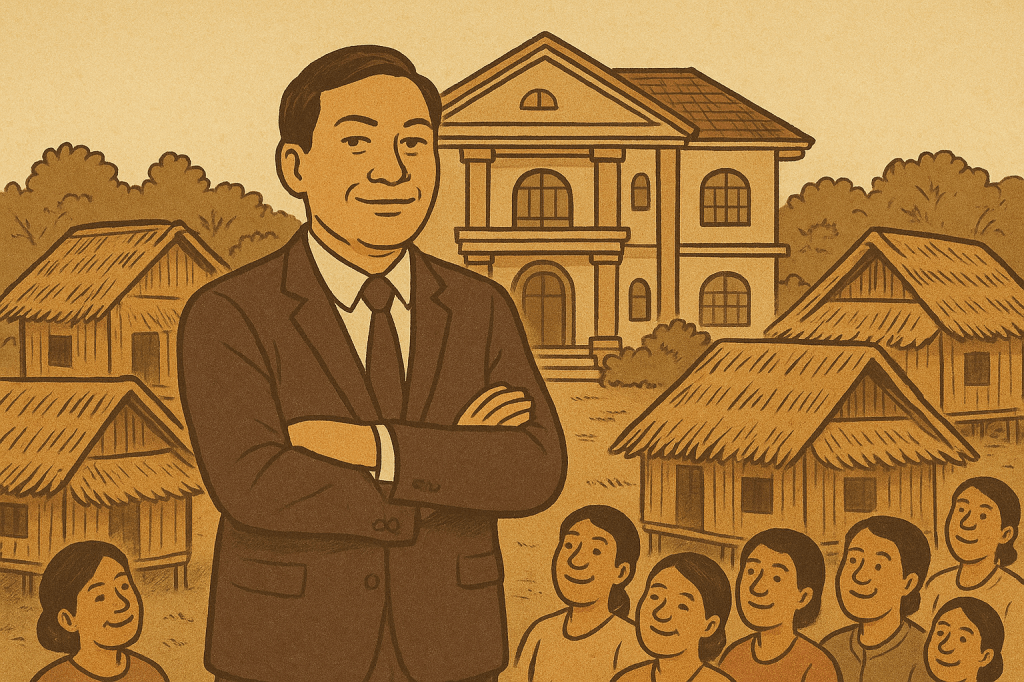
And then, as always, someone mentions a kakilala in public office. And everyone leans in. “He just built a new house in the subdivision,” someone says. “He gave scholarships to the barangay kids,” another adds. “Magaling. Marunong tumulong.”
No one asks the obvious: With what money? No one says: “But his declared salary is barely six figures.” No one even does the polite raised eyebrow.
Instead, we clap. We admire. We treat it as success.
This is where Hiya — our cultural sense of shame and honor — has quietly and disastrously shifted.
Once upon a time, hiya was supposed to restrain selfishness. It was the thing that made you think twice before cutting in line, before speaking out of turn, before taking more than your share.
But somewhere along the way, we inverted the moral compass. Today, hiya is more often felt by the poor, the powerless, and the honest — the ones who do not have the means to hide their circumstances. Meanwhile, the people who enrich themselves at the public’s expense feel none of it. They have replaced hiya with abangang papuri — waiting for applause.
We have arrived at a place where wearing fake designer clothes is a bigger social offense than stealing millions from government funds — as long as you throw a fiesta with free lugaw in election season.
And because of that, corruption doesn’t need to be hidden. It only needs to be performed well. The thief is applauded as long as he is a “generous” thief.
I’ve seen this dynamic play out countless times as a lawyer. A person reports misconduct, and the first question people ask is not: “Is it true?” but “Hindi ka ba nahiya? Kamag-anak mo ‘yan.”
The shame falls on the whistleblower, not the wrongdoer.
And so the silence continues.
This is how impunity survives: not through power alone, but through a cultural shield where questioning corruption is framed as rudeness, ingratitude, or lack of utang na loob.
A politician buys a new SUV that his salary could not possibly support?
We say: “Ay, sipag kasi.”
A public official throws a birthday party that looks like a campaign rally?
We say: “Malakas sa tao.”
A local leader distributes cash during calamity relief?
We say: “At least tumutulong.”
We have made the symptoms look like virtues.
Meanwhile, the honest civil servant who refuses under-the-table arrangements? We call them “masyadong by-the-book,” sometimes with a tone that implies inconvenience.
The painful truth is that we ashamed of the wrong things. We are ashamed of being poor. We are ashamed of not being connected. We are ashamed of asking for fair treatment. But we are not ashamed of breaking rules as long as it benefits our side.
If we want Hiya to return to its rightful role as a moral compass, we need to repair the social cost of corruption.
Corruption should be embarrassing. Not poverty. Not honesty. Not refusing to play the game.
It should be kahihiyan — a disgrace — to flaunt ill-gotten wealth.
Not something to display during town fiestas and family gatherings. It should feel uncomfortable, not admirable, to cut in line because you “know someone inside.”
We need to re-learn how to look at wrongdoing and simply say, without anger but with firm clarity: “Hindi ito tama.” And then act accordingly.
Not through dramatic revolution. But through the small, everyday choices that restore moral alignment. Not clapping, not excusing, not laughing it off, not saying “ganun talaga.”
The shame must return to where it belongs.
Because the longer we applaud stolen generosity, the more we guarantee that nothing will ever change — and that we will always be rebuilding our lives around the damage left behind by those who never felt ashamed of creating it.

